
Content strategy for small businesses: how to plan web content long‑term with simple content strategies that work

A steady content strategy helps a small business show up, answer real questions, and earn trust. Think of it as a simple plan for your site: what to publish, when to publish, and how each piece supports your marketing plan. With clear steps and a light content calendar, content marketing for small businesses becomes easier to keep up with—and it actually works.
Note: This guide is practical, not theoretical. Keep it simple, write for real customers, and improve a little each quarter.
What a content strategy is (for a small business)
A content strategy connects your audience’s questions to helpful answers on your site. Instead of one‑off posts, you create a content plan that supports your marketing strategies and sales basics. A good content strategy is repeatable, fits your schedule, and helps people understand your product or service without extra fluff.
- Content marketing supports search and sales by answering specific questions.
- Content marketing strategies work best when they start from customer emails, DMs, and common objections.
- Develop a content strategy that you can maintain year‑round, not just during a busy launch.
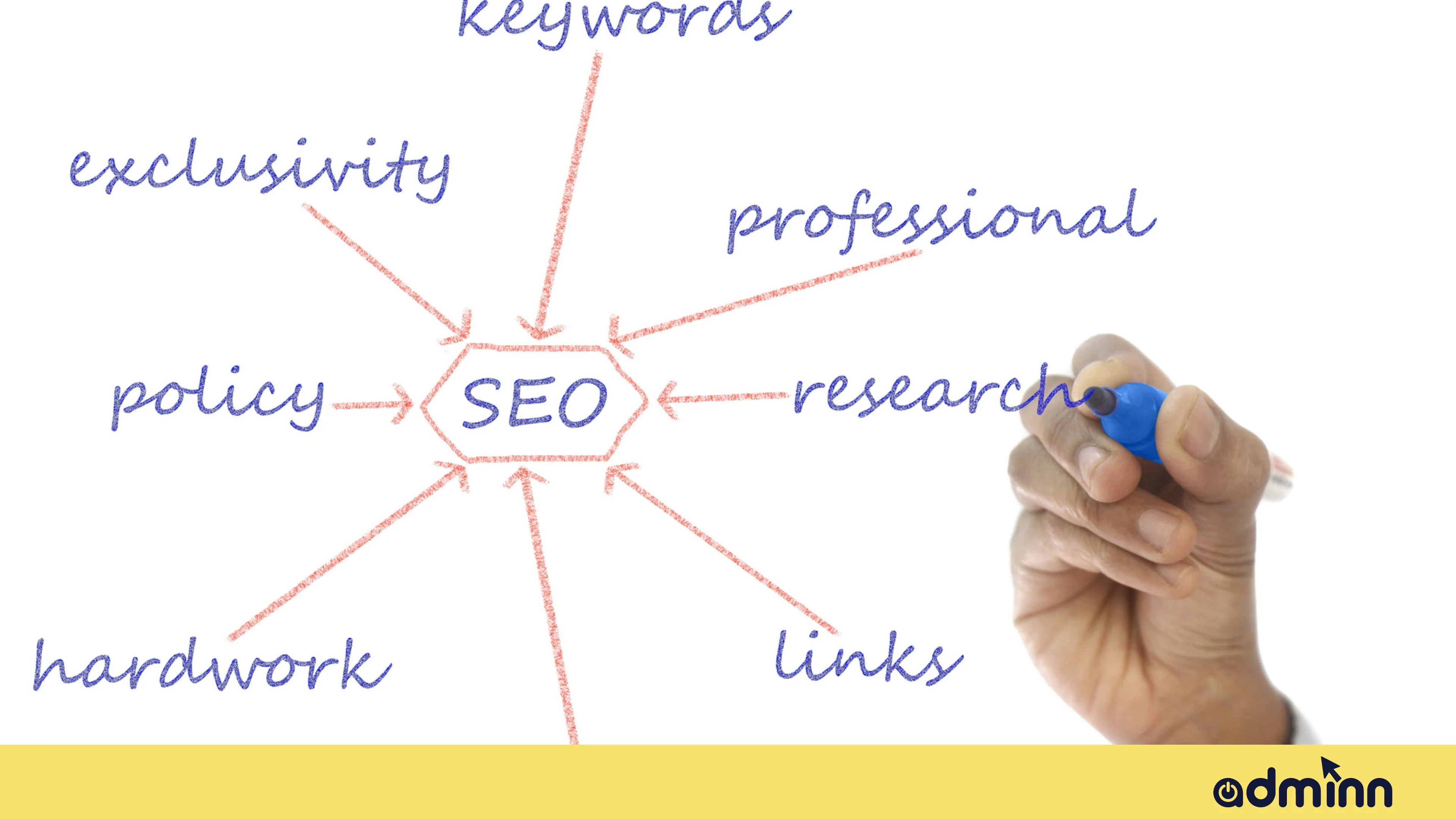
Steps to create a content strategy for your small business
Start with clear goals and a short checklist. These steps to create a content plan keep you focused.
- Define goals and simple metrics: leads, bookings, calls, or repeat visits.
- Know your audience: write down the top 10 questions they ask before they buy.
- Pick the type of content that fits your time: articles, FAQs, guides, checklists, and short updates.
- Create content in small batches so you publish regularly.
Tip: If you already have pages, list your top 10 by traffic and conversions. That’s where small improvements will work fastest.
How to plan web content long‑term
A content calendar doesn’t need to be fancy. It just needs to be used.
- Build a content calendar with a weekly or biweekly rhythm.
- Plan cornerstone pages (your main service or product pages) and supporting posts around them.
- Keep a backlog of ideas from customer calls, sales chats, and search terms.
- Review quarterly: keep what’s working, update what’s close, and archive what doesn’t help.
This approach keeps your site moving forward without adding stress.
Simple content strategies that work
Keep your strategy small and steady. These patterns are reliable.
- Answer common questions with short, clear posts (one question, one answer).
- Pair each service page with at least one proof point: a review, a mini‑case, or an FAQ.
- Write a “How it works” page with steps, timing, and what to expect.
- Refresh your top pages once a quarter: pricing, process, and examples.
These simple content strategies that work are easy to maintain and easy to measure.
Create a content marketing strategy you can keep up with
Choose channels you’ll actually use. Your site comes first; then pick one promotion channel.
- Site + one channel (email or one social platform) is enough for most small businesses.
- Repurpose: one article can become an email, a short video, and a few captions.
- Keep a short checklist for content creation: outline → draft → review → publish → update in 90 days.
- Create a content marketing strategy that focuses on consistency, not volume.

Small business content that supports search and conversions
Map each piece to a stage in your marketing plan.
- Awareness: simple explainers and “what is” articles.
- Consideration: comparisons, pricing guidance, and checklists.
- Action: clear service pages, FAQs, and testimonials close to forms and buttons.
Add calls to action that feel natural: schedule a call, request a quote, or view pricing. Plain language works best.
Content operations: build a content plan you can maintain
Treat content like a light weekly habit.
- Roles and cadence: who writes, who reviews, and when it goes live.
- Templates: use one outline format for all articles and one for case studies.
- Assets: keep images, links, and citations tidy so pages are easy to update later.
With a small system, your strategy for your small business becomes easier to follow and easier to hand off.
Marketing strategies vs tactics (keep it grounded)
- Strategy: what you’ll publish and why it matters to customers.
- Tactics: how you produce, promote, and improve the work.
- Adjust quarterly based on results, not opinions.
This keeps your content marketing strategies aligned with business goals.
Common pitfalls (and calm fixes)
- Publishing without a plan → Pick a cadence you can keep, even if it’s two posts per month.
- Chasing trends over customer needs → Start with support emails and sales questions.
- Writing long posts, rarely → Short, regular updates often work better than one big piece a year.
- Forgetting maintenance → Add “update top 5 pages” to your calendar once per quarter.
SEO support for steady growth
If you want help turning this plan into results, my SEO service for small businesses can step in. I handle keyword research, content calendar setup, on‑page tune‑ups, and light reporting—so you can focus on running the business. Send your site URL and your top three goals; I’ll reply with a short, plain‑English plan we can put to work.
Wrap‑up
A simple content strategy for small businesses is about clarity and rhythm. Start with customer questions, plan web content long‑term with a small calendar, and keep improving your best pages. Create a content marketing strategy you can keep up with, and let the numbers guide your next step. Small, steady changes add up.